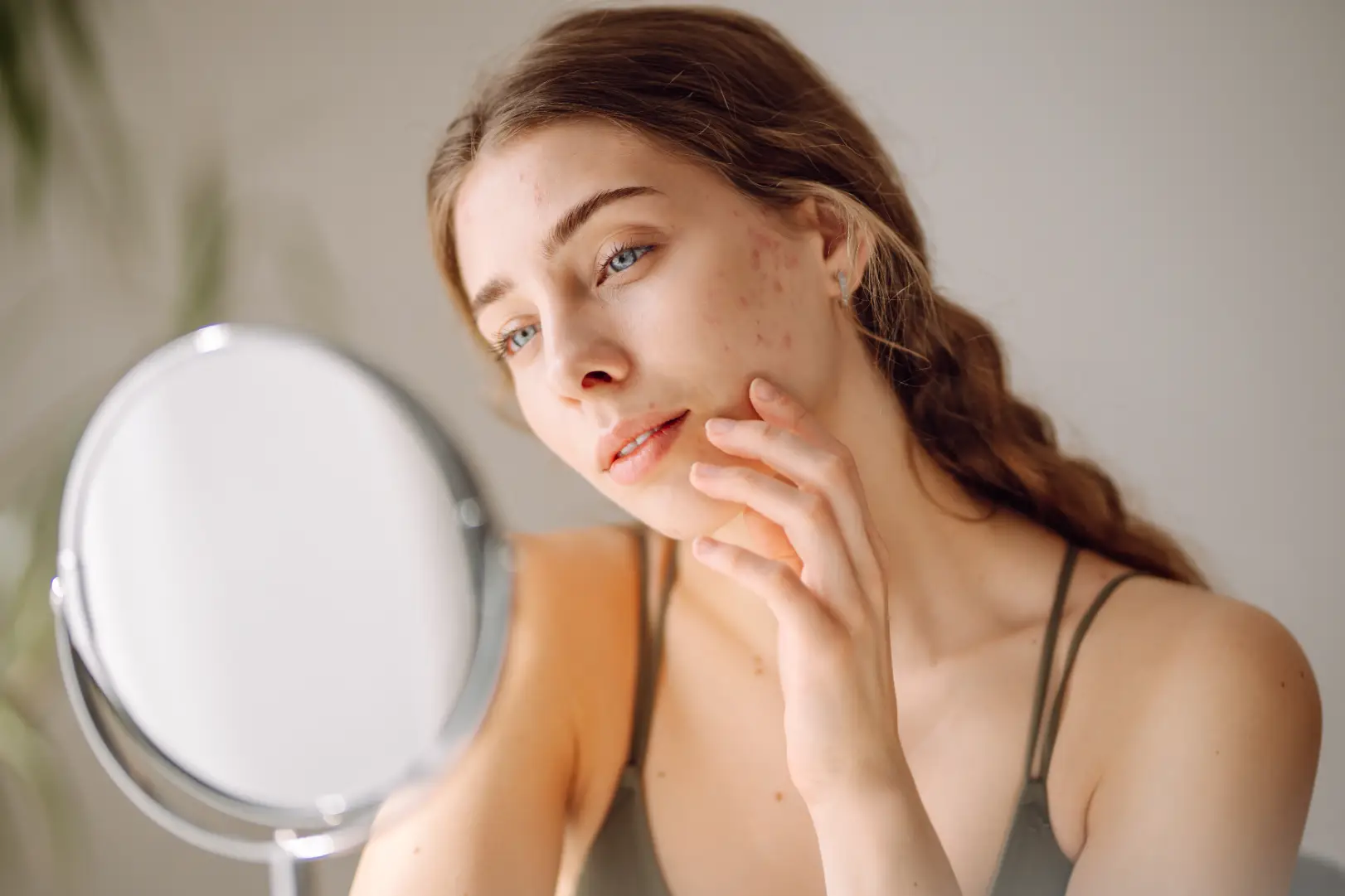
Acne can disappear while leaving behind reminders that are much harder to ignore. A breakout that lasted a week may leave an indentation or uneven patch that remains for years. For many patients, the frustrating part isn’t simply having an acne scar. It’s trying products and treatments that don’t seem to change it.
The reason often comes down to scar type. Acne scars don’t all form the same way, so treating every mark with the same procedure rarely makes sense. Some scars need collagen remodeling, while others require more targeted correction. The good news is that today’s aesthetic treatments give providers several ways to approach different scar patterns.
Continue reading to learn how identifying your scars can point you toward a more thoughtful treatment plan.
What Are Acne Scars?
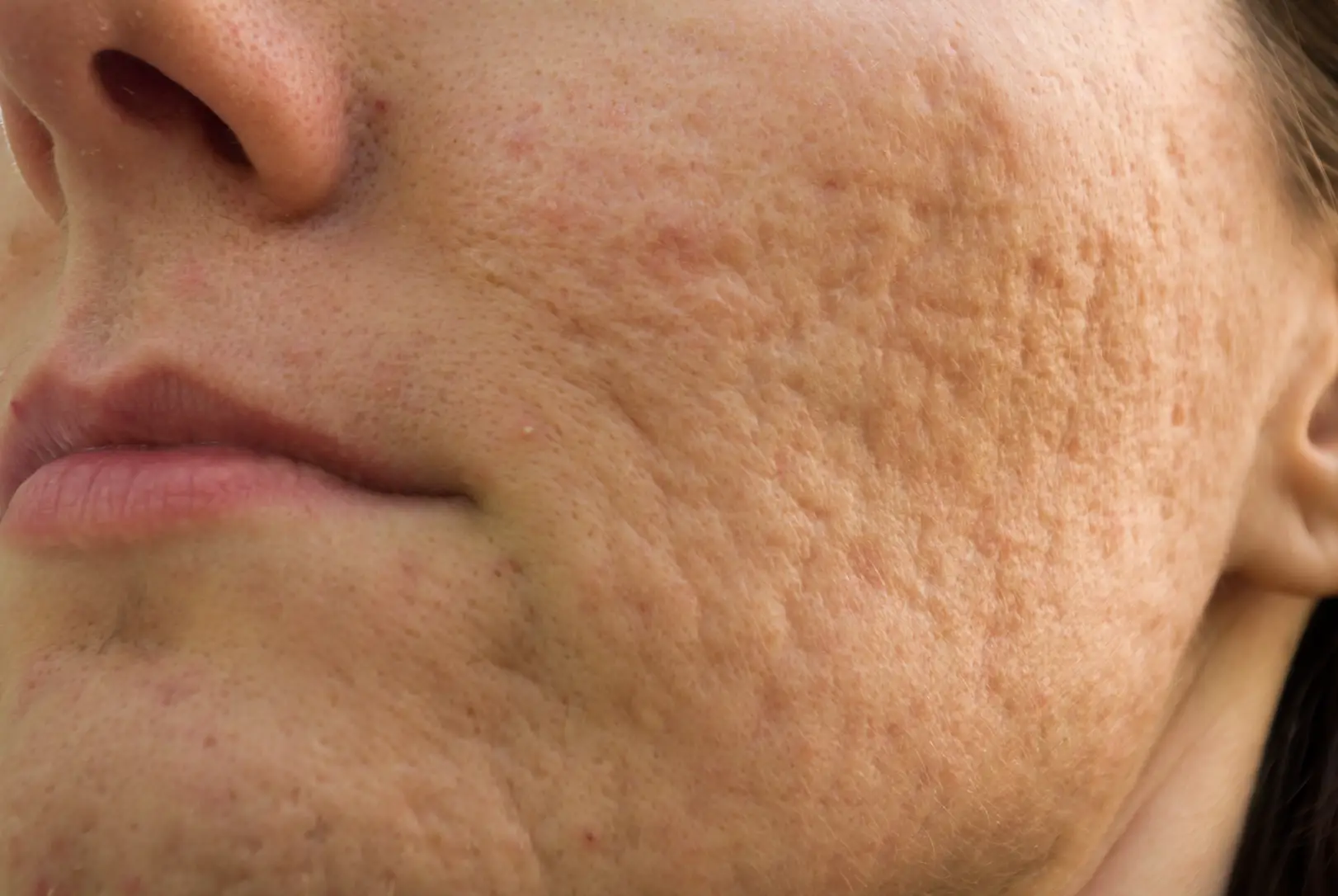
Acne scars are lasting changes in the skin that can develop after inflammatory acne lesions heal. When inflammation damages tissue, the body’s repair process may produce too little or too much collagen. The result can be an indentation, uneven texture, or raised area that remains after the original breakout has cleared.
It’s also important to separate true scarring from discoloration. Red, pink, purple, or brown marks left after acne may be post-inflammatory changes rather than structural scars. They can still be frustrating, but they often require a different treatment strategy.
True acne scars generally fall into two broader groups:
- Atrophic scars: Depressed scars caused by a loss of tissue. Ice pick, boxcar, and rolling scars belong to this category.
- Hypertrophic or keloid scars: Raised scars caused by excessive tissue formation during healing.
Among depressed scars, appearance matters. Ice pick scars tend to be narrow and deep. Boxcar scars are wider depressions with more defined edges. Rolling scars create broader, wave-like changes in the skin.
Many patients have more than one type at the same time. That’s why an acne scar treatment in Katy should ideally begin with an assessment of the scars themselves rather than choosing a procedure based solely on popularity.
Matching the Treatment to the Scar
Different scars respond to different forms of correction. Understanding what makes each type distinctive can help explain why treatments such as microneedling, laser resurfacing, and targeted procedures aren’t interchangeable.
Ice Pick Scars: Small but Deep
Ice pick scars may look tiny from a distance, but their depth makes them particularly challenging. They resemble narrow punctures or enlarged pores and can extend relatively deep into the skin.
Because these scars are so narrow and deep, broad resurfacing treatments alone may not always produce the degree of improvement patients expect. A provider may recommend a highly targeted approach, depending on the scar’s depth and the patient’s skin.
One commonly used technique is TCA CROSS, in which a high-concentration chemical solution is carefully applied specifically inside individual scars. The goal is to trigger controlled remodeling within the scar rather than peeling the entire face at the same intensity.
Certain deep scars may also be better addressed through procedures such as punch excision, where an appropriate scar is surgically removed and the tiny opening is closed.
Microneedling or resurfacing may still become part of a broader plan. However, treating deep ice pick scars often requires acknowledging their depth rather than treating them like ordinary uneven texture.
Boxcar Scars: Defined Depressions
Boxcar scars typically appear as round or oval depressions with relatively distinct edges. Some are shallow, while others extend more deeply. That variation influences the treatment choice.
For shallower scars, resurfacing and collagen-remodeling procedures may gradually soften the transition between the scar and surrounding skin. Microneedling is one possible option because controlled micro-injuries stimulate a wound-healing response and new collagen formation.
Laser resurfacing may also be considered. Depending on the technology used, laser treatments can improve uneven texture by creating controlled treatment zones that encourage skin renewal and remodeling.
A deeper boxcar scar treatment, however, may need a more targeted approach. Certain sharply defined scars may benefit from punch techniques or combination therapy rather than resurfacing alone.
The key is depth. Two patients can both have boxcar scars but need very different plans because one has shallow depressions while the other has scars extending more deeply into the skin.
Rolling Scars: When the Skin Looks Wavy
Rolling scars don’t usually have the sharp boundaries seen with boxcar scars. Instead, they create broad depressions that make the skin look uneven or undulating, particularly under directional lighting.
Some rolling scars develop because fibrous bands beneath the skin tether the surface downward.
When tethering is a major factor, simply treating the top layer of skin may not fully address what’s happening underneath. Subcision is one technique providers may use for appropriate scars. A needle or cannula is introduced beneath the scar to release fibrous attachments that are pulling the surface down.
Once those attachments have been addressed, other procedures may be used to improve texture and encourage collagen remodeling.
This is an excellent example of why acne scar treatment needs to be anatomy-driven. A resurfacing procedure can improve skin quality, but it can’t necessarily release every tether beneath a rolling scar.
Microneedling: Remodeling From Within
Microneedling has become a widely used option for depressed acne scarring because it works through controlled collagen induction.
During treatment, fine needles create precise microchannels in the skin. These controlled injuries activate the body’s repair response, which includes collagen and elastin remodeling. Over time, this process may help soften uneven texture and make certain depressed scars less noticeable.
Patients researching microneedling acne scars should understand that improvement tends to be progressive. One session doesn’t suddenly replace years of structural scarring with perfectly smooth skin.
A series of treatments may be recommended, with sessions spaced apart to allow the remodeling process to unfold.
Microneedling may be particularly useful for broader textural concerns and certain shallow-to-moderate atrophic scars. The treatment can also be adjusted for different areas and scar patterns.
Still, scar depth matters. Very deep ice pick scars or significantly tethered rolling scars may need additional techniques before or alongside microneedling.
RF Microneedling: Adding Controlled Heat
Radiofrequency microneedling takes the concept one step further by combining needle penetration with RF energy delivered into targeted tissue depths.
The needles create controlled micro-injuries while radiofrequency energy produces thermal stimulation below the skin. This combination is intended to encourage tissue remodeling and collagen production.
For patients with acne scarring plus concerns such as texture or mild skin laxity, RF microneedling may offer a way to address multiple aspects of skin quality within the same treatment strategy.
Treatment settings can be adjusted based on the area and patient’s skin. As with conventional microneedling, improvement develops gradually as the tissue remodels.
RF microneedling doesn’t automatically replace other acne scar treatments. Instead, it gives providers another tool that may be incorporated according to scar type, depth, and skin characteristics.
Laser Resurfacing: Refining Texture
Laser resurfacing is another important option for certain acne scars. Rather than physically releasing tethered scars, lasers use controlled energy to create a skin-renewal response. Fractional technologies treat microscopic columns or zones while leaving surrounding tissue intact, allowing remodeling to take place throughout the treated area.
Patients searching for laser acne scars may encounter both ablative and non-ablative technologies. They aren’t the same. Ablative lasers remove controlled portions of skin and can provide more aggressive resurfacing, but they generally involve more recovery. Non-ablative fractional lasers work without removing the entire surface and may offer a different balance between improvement and downtime.
Skin tone is also an important consideration. Certain laser procedures carry a risk of pigment changes, making careful device selection and treatment settings particularly important. Laser resurfacing can be valuable for textural irregularities and some atrophic scars, but once again, it isn’t a universal answer. Deep or tethered scars may benefit from targeted correction before resurfacing is used to refine the overall texture.
Chemical Peels: Better for the Right Problem
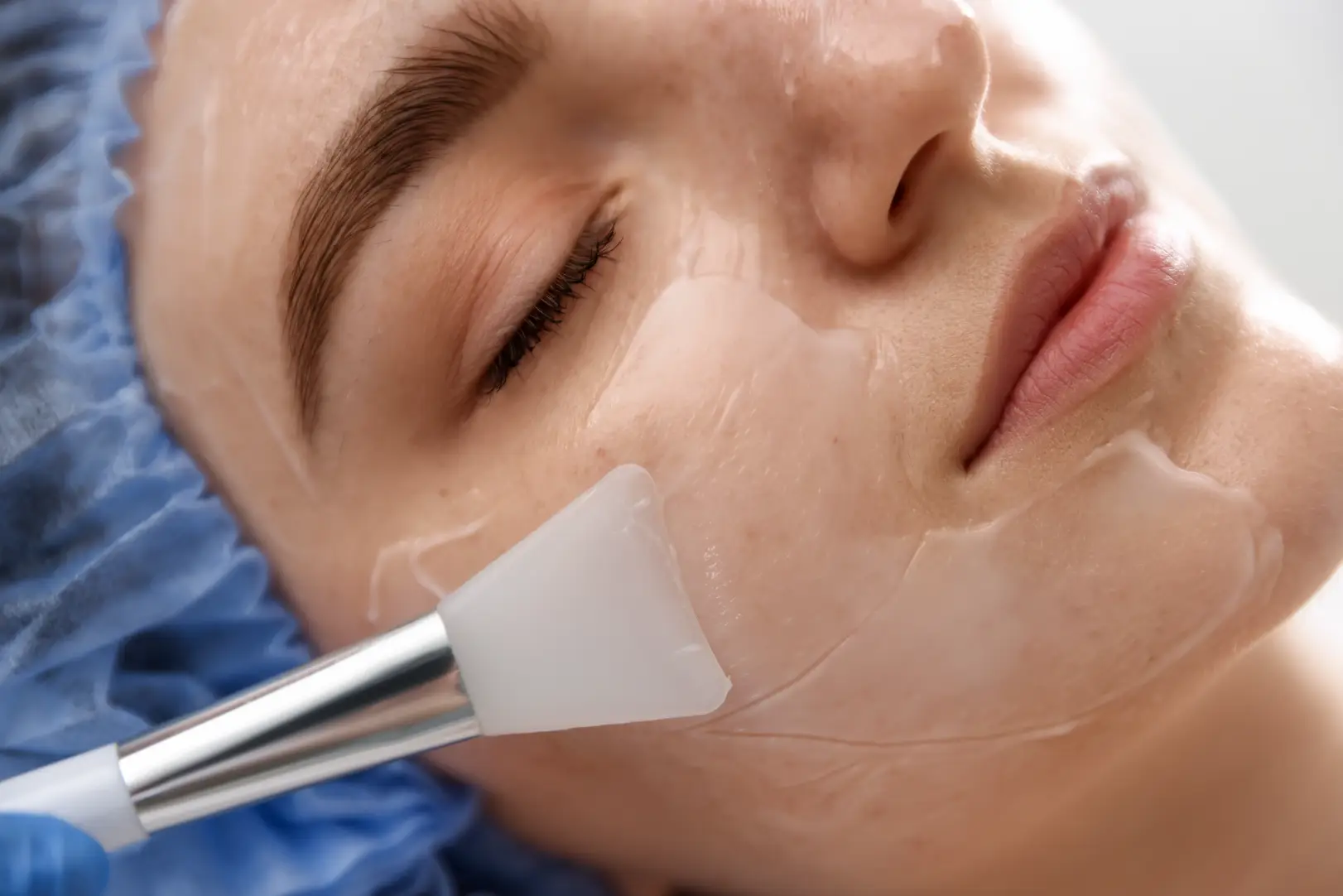
Chemical peels can be helpful, but their usefulness depends heavily on what you’re trying to treat. A peel applies a controlled chemical solution to encourage exfoliation and skin renewal. Superficial treatments may help with discoloration, dullness, and minor textural irregularities.
Deeper peels create more significant resurfacing and require careful patient selection. This distinction becomes important when patients mistake post-acne pigmentation for structural scarring. If your main concern is brown or discolored marks rather than indentations, a peel or another pigment-focused treatment may make more sense than a procedure intended for deep scar remodeling.
Deep depressions, on the other hand, generally won’t disappear simply because the surface has been exfoliated. Choosing treatment based on the actual concern can prevent months of frustration.
Raised Scars Need a Different Strategy
Not every acne scar sinks inward. Hypertrophic scars and keloids develop when excessive scar tissue forms during healing. They appear raised rather than depressed and behave differently from ice pick, boxcar, or rolling scars.
Because the biology is different, aggressively stimulating more collagen isn’t necessarily the right first move. Medical treatments for raised scars can include corticosteroid injections and other approaches intended to flatten or soften scar tissue. Certain laser treatments may also be incorporated depending on the scar and patient’s skin.
Keloids deserve particularly careful evaluation because they can continue growing beyond the boundaries of the original injury and may recur after treatment. If you’re prone to raised scars, tell your provider before undergoing procedures that intentionally create controlled skin injury.
Smooth Skin Starts With the Right Diagnosis
The most effective approach to acne scarring isn’t necessarily the most aggressive treatment. It’s the one chosen for the type of scar you actually have. Ice pick, boxcar, rolling, and raised scars each tell a different story beneath the surface, and your treatment plan should respect those differences.
At LUXE Medical Aesthetics in Katy, TX, patients can explore personalized options for improving an acne scar, uneven texture, and related skin concerns. A professional assessment can help identify your scar patterns and create a treatment strategy focused on meaningful, gradual improvement rather than a one-size-fits-all solution.
Contact us today to book your appointment!